
Add Row
Add Element
Moore County Connect
update
Moore County Connect
update
Add Element
  • Home
  • Categories
    • Entertainment/Events
    • Featured
    • Local Sports
    • Local Podcasts
    • Golf
    • Technology
    • Local News
    • Networking
    • Health
August 01.2025
2 Minutes Read

The White House AI Action Plan: What Does It Mean for America's Future?

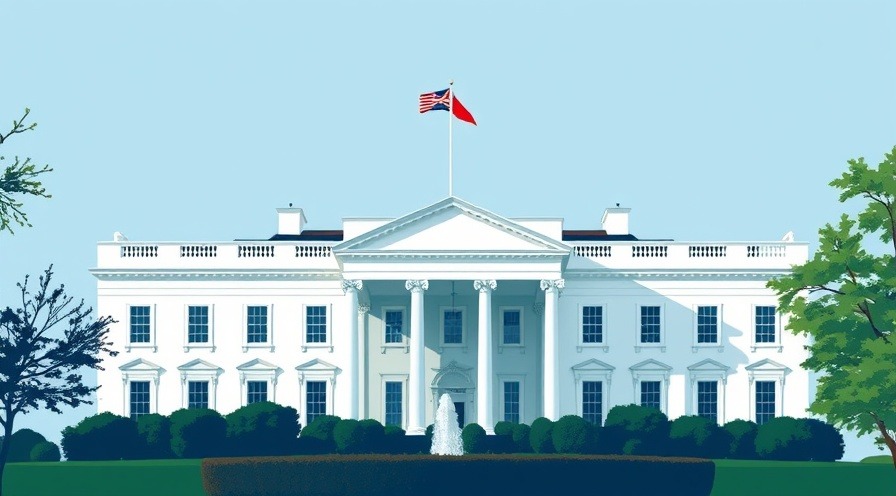
Stylized image of the White House showcasing AI Innovation and Diplomacy.


The AI Revolution is Upon Us: Understanding the White House's Grand Strategy

In a week marked by bold moves in artificial intelligence, the White House unveiled a comprehensive AI action plan that aims to supercharge innovation and infrastructure across the United States. Analyzing this approach reveals the government's ambition to maintain a leading stance in the global AI race, all while addressing the societal implications these advancements could usher in.


In 'OpenAI Teases GPT-5 as America Goes Full 'AI Action' Mode', the discussion unveils significant insights about AI's future, prompting us to delve deeper into the White House's strategic plan.

AI Innovation: Charting the Course to 2028

The AI action plan is multifaceted, focusing on three main pillars: accelerating AI innovation, enhancing infrastructure, and establishing international leadership in AI diplomacy. This roadmap isn't just technical—it also reflects a strategic necessity as AI capabilities escalate rapidly. Sam Altman's discussions around the forthcoming GPT-5 imply that the technology is not only impressively capable but could revolutionize how tasks like programming are executed, as evidenced by a recent anecdote where a complex home automation task was completed in minutes instead of days.

International Diplomacy and Security Concerns

The plan’s emphasis on international diplomacy suggests a response to fears about competition from countries like China, which has prioritized robust energy production to power its AI advancements. By contrast, the U.S. aims to build its foundational AI capabilities while ensuring ethical development and environmental sustainability. It's evident that this isn't merely a tech initiative but part of a broader geopolitical narrative.

Will AI Shape Our Economy or Limit Our Freedoms?

As Altman advocates for mechanisms like universal wealth instead of basic income, debates arise concerning whether AI will enrich society or exacerbate socio-economic divides. The White House's AI plan notably omits discussions of universal basic income, raising questions about inclusivity and long-term impacts on workers displaced by powerful AI systems.

The Action We Need Right Now

Ultimately, as we navigate this new frontier, an informed public discourse is essential. The AI action plan represents more than just technological advancement; it's a potential turning point for the economy and society as a whole. Understanding these developments isn't optional for citizens but a necessity for actively participating in shaping the future.


Technology

Write A Comment

*
*
Related Posts All Posts
12.25.2025

Exploring OpenAI’s ChatGPT Images: Will It Outshine Nanobanana Pro?

Update The Emergence of ChatGPT Images: What You Need to Know In the recent wave of advancements in artificial intelligence, OpenAI's ChatGPT Images (or Image 1.5) stands out for its ability to create stunning images and engage users in a variety of creative applications. This innovation follows a competitive landscape where Google’s Nanobanana Pro is also making headlines. With the rapid evolution of AI technologies, understanding their capabilities and differences is crucial for tech enthusiasts and creators alike.In OpenAI’s new ChatGPT Images is here! But…Will it top Nano Banana Pro?, the discussion dives into innovative AI image technologies, exploring key insights that sparked deeper analysis on our end. AI Image Generators: A Growing Trend The introduction of ChatGPT Images provides a glimpse into the future of content generation. While renowned for its text capabilities, OpenAI's foray into image creation highlights the growing trend of merging text and visuals through AI. This offers content creators noteworthy opportunities, especially as we see applications expanding across platforms like YouTube with new interactive games and community features. How Does ChatGPT Images Compare to Nanobanana Pro? As AI-generated content becomes more prevalent, comparing tools like ChatGPT Images with Google's Nanobanana Pro is essential for users to make informed choices. Both platforms present unique attributes: ChatGPT Images leans into conversational and contextual image generation, while Nanobanana Pro focuses on precision and versatility in various creative contexts. Users may find distinct advantages in using one over the other, depending on their specific needs. The Bigger Picture: The Impact of AI in Gaming and Creativity Moreover, the discussion around generative AI isn't limited to image creation. The release of tools like the GPT-5.2 Codex and the Gemini 3 Flash AI model reflects a broader trend impacting industries from gaming to entertainment. With studios like Larian Games in the spotlight, the conversation around AI's role in game development raises thought-provoking questions about creativity and automation’s future in storytelling. In conclusion, technologies like ChatGPT Images and Nanobanana Pro pave the way for fresh interactions in the digital creative landscape. Whether you're a developer, a gamer, or a content creator, staying tuned in to these developments not only enhances your toolkit but also equips you for the evolving demands of your audience.

12.17.2025

Unveiling GPT-5.2: What OpenAI's New Powerhouse Means for AI and Entertainment

Update The Rise of GPT-5.2: OpenAI's Latest Triumph OpenAI has made waves in the tech world with the recent launch of their flagship model, GPT-5.2, signifying a renewed commitment to maintaining their competitive edge in artificial intelligence. This model promises to elevate performance in tasks relevant to real-world professional applications, specifically catering to those who deal with complex spreadsheets and data analyses. As noted in the discussions among AI enthusiasts, this launch aims not only to meet but exceed the capabilities of Google's Gemini 3, offering improved outcomes for users.In 'OpenAI Strikes Back! GPT-5.2 & Disney Comes to Sora', the discussion dives into the implications of these major innovations, prompting deeper analysis on our end. A Deep Dive: Understanding New Features One of the standout features of GPT-5.2 is its enhanced ability to handle long-context tasks effectively. Early reports suggest that its processing capabilities allow it to tackle assignments where responses take longer periods to compute, which could redefine user expectations for AI assistance. Users are already experimenting with the model for various tasks, ranging from creative writing to coding, suggesting a versatile utility for individuals across different industries. Disney and OpenAI: A Game-Changing Partnership The collaboration between OpenAI and Disney marks a pivotal moment in the landscape of artificial intelligence and digital content creation. With Disney granting OpenAI permission to utilize characters like Mickey Mouse and Elsa, this opens the door to new creative opportunities within Sora, OpenAI’s digital platform. Disney’s significant investment of $1 billion in OpenAI not only strengthens their partnership but also reflects a broader trend of traditional media companies embracing AI capabilities. Such a partnership could lead to innovative storytelling methods and interactive experiences for audiences. What This Means for Users and Creators For creators and users alike, the advancements offered by GPT-5.2 and the partnership with Disney present exciting new avenues for innovation. Designers, marketers, and storytellers can leverage these tools to push the boundaries of creativity, effectively using AI to enhance their output. However, it also raises questions about intellectual property rights, especially in relation to AI-generated content based on popular established characters. Looking Ahead: The Future of AI and Entertainment As we advance further into this AI-driven era, the implications of models like GPT-5.2 will continue to unfold. Analysts suggest that the rapid advancements in AI technology, especially concerning its integration into creative realms, might reshape how stories are told and experienced in the future. With industries poised to evolve, it will be fascinating to observe how these developments interplay with user-generated content and traditional narratives. Conclusion The world of AI is evolving swiftly, and the launch of GPT-5.2 alongside the deal with Disney indicates significant shifts in both technology and media landscapes. Enthusiasts and professionals in the industry should keenly monitor these developments to stay ahead in this innovative space.

12.12.2025

How OpenAI's Code Red Signals a Shift in AI Competition amid Google's Gemini Rise

Update The AI Arms Race: OpenAI’s Code Red in the Face of Google’s Gemini The world of artificial intelligence (AI) is witnessing a fierce contest as OpenAI raises alarms over Google's latest offering, Gemini 3 Pro. CEO Sam Altman’s memo declaring ‘code red’ indicates a state of urgency, calling for heightened focus on enhancing core products. But what does this really mean for the future of AI in consumer and enterprise settings?In OpenAI's Code Red: Can New AI Models Hold Off Google Gemini?, a discussion emerges about the fierce competition in AI, prompting this analysis. What's at Stake for OpenAI? With reports suggesting a potential dip in market share for ChatGPT, OpenAI's struggles highlight a significant crossroads. As Gemini 3 Pro gains traction among users, prompting some to switch away from OpenAI's offerings, the pressure mounts. Altman indicates that reducing focus on certain internal products could be vital in fostering user satisfaction. More importantly, the imminent launch of two rumored models—internally code-named Garlic and Shallot Pete—could either rejuvenate OpenAI's standing or signal a broader shift in the AI sector’s competitive landscape. The Ever-Evolving AI Ecosystem Interestingly, developments are not limited to OpenAI and Google. Competing platforms like Cling and Runway are launching innovative models, pushing the creative boundaries of video editing and interactivity. For instance, Cling’s latest model allows users to edit videos and images in real time, offering unprecedented creative capabilities. This surge of innovation indicates that while OpenAI and Google remain central players, the AI landscape is being shaped by many contributors. Future Insights: Is Competition Healthy? Looking ahead, the AI race presents a multitude of opportunities but also significant challenges. As the industry matures, the focus may need to shift from merely enhancing existing technologies to fostering genuine engagement among users. Real user experiences and interactions will ultimately dictate the direction of development. Platforms must address not only performance but also how users relate to these AI systems in their daily lives. In this age of rapid advancements, AI’s trajectory remains uncertain yet promising. Will OpenAI thrive through innovations that reclaim its position, or will it be outpaced by emerging competitors? Only time will reveal the true implications of this code red situation, but one thing is clear—the world will be watching closely.

Terms of Service

Privacy Policy

Core Modal Title

Sorry, no results found

You Might Find These Articles Interesting

T
Please Check Your Email
We Will Be Following Up Shortly
*
*
*